

GreenShift Battery Trading QFZ LLC

Author name: cyberworldguru@gmail.com

Latest Energy Technology News

Qatar’s Energy Transition: The Growing Role of BESS in Supporting Renewable Integration

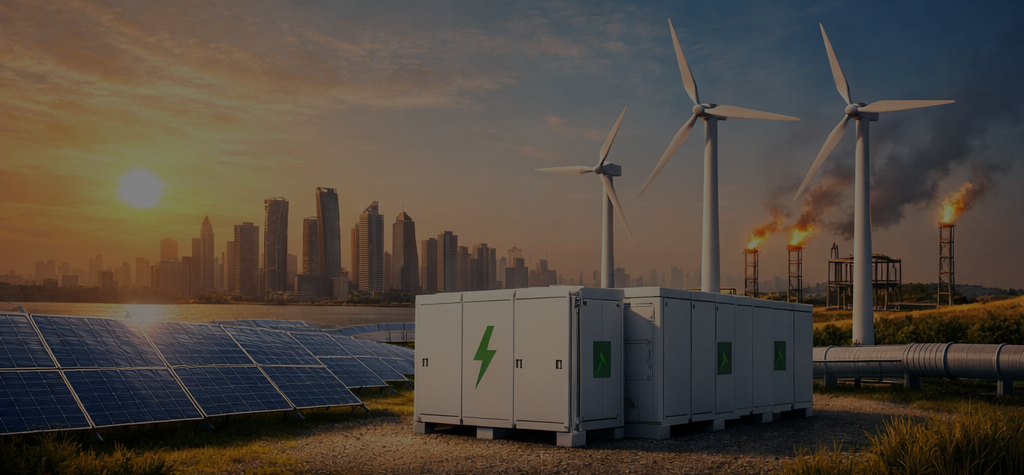
Introduction Qatar’s energy landscape is undergoing a major transformation. With ambitious sustainability goals and a growing commitment to renewable energy, the country is exploring technologies that enable reliable and efficient integration of solar and wind power into the national grid. Battery Energy Storage Systems (BESS) are at the heart of this transformation, providing flexibility, reliability, and long-term sustainability. 1. The Rise of Renewable Energy in Qatar Qatar has set its sights on diversifying its energy mix to include more renewables. Solar energy, in particular, is receiving major attention due to the country’s abundant sunlight. However, integrating renewable sources into the grid presents several challenges: Intermittency: Solar and wind generation are variable and cannot be relied upon for constant supply. Grid Imbalance: Sudden changes in renewable output can disrupt grid stability. Peak Mismatch: Renewable energy production does not always align with peak consumption periods. BESS addresses all these challenges, enabling Qatar to maximize the value of its renewable investments. 2. Supporting Solar Expansion with Storage Qatar’s solar energy projects are expanding rapidly, including large-scale photovoltaic farms. BESS plays a pivotal role here: Energy Capture: Surplus energy generated during the day can be stored efficiently. Nighttime Supply: Stored energy ensures electricity is available when solar generation is not active. Reduced Curtailment: BESS prevents wastage of renewable energy by storing excess production that would otherwise be curtailed. This ensures that solar energy contributes effectively to the national grid and supports the country’s energy diversification goals. 3. Enabling a Flexible and Balanced Energy Mix BESS not only stores energy but also enhances grid flexibility: Grid Stabilization: Rapid charging and discharging helps maintain frequency and voltage stability. Peak Load Management: Batteries supply energy during peak demand periods, reducing reliance on fossil fuel power plants. Integration with Conventional Sources: BESS allows Qatar to integrate renewables smoothly with gas-fired plants, maintaining energy security. The result is a more reliable, resilient, and sustainable energy system. 4. Driving Long-Term Sustainability Goals Qatar’s National Vision 2030 emphasizes sustainable development, reduced carbon emissions, and energy efficiency. BESS contributes directly to these goals by: Reducing Carbon Footprint: Less dependence on fossil fuels during peak demand. Supporting Smart Grids: Enabling advanced energy management and predictive analytics. Promoting Clean Energy Investments: Encouraging private sector and international collaboration in renewable projects. By pairing renewable generation with advanced storage solutions, Qatar positions itself as a leader in sustainable energy in the GCC region. 5. Economic and Strategic Benefits Beyond environmental benefits, BESS offers tangible economic and strategic advantages: Operational Efficiency: Optimizes the use of renewable assets and reduces generation costs. Energy Security: Provides backup power and protects against grid disruptions. Investment Attraction: Encourages foreign and private investment in renewable energy infrastructure. These benefits make BESS a cornerstone of Qatar’s energy transition strategy. Conclusion Battery Energy Storage Systems are transforming Qatar’s renewable energy landscape. By enabling reliable solar integration, enhancing grid flexibility, and supporting long-term sustainability objectives, BESS is becoming an essential tool for the country’s energy transition. As Qatar continues to invest in renewable infrastructure, energy storage will play a pivotal role in ensuring a secure, resilient, and sustainable energy future.
Latest Energy Technology News

How Battery Energy Storage Systems (BESS) Are Reshaping Power Reliability in Qatar and the GCC

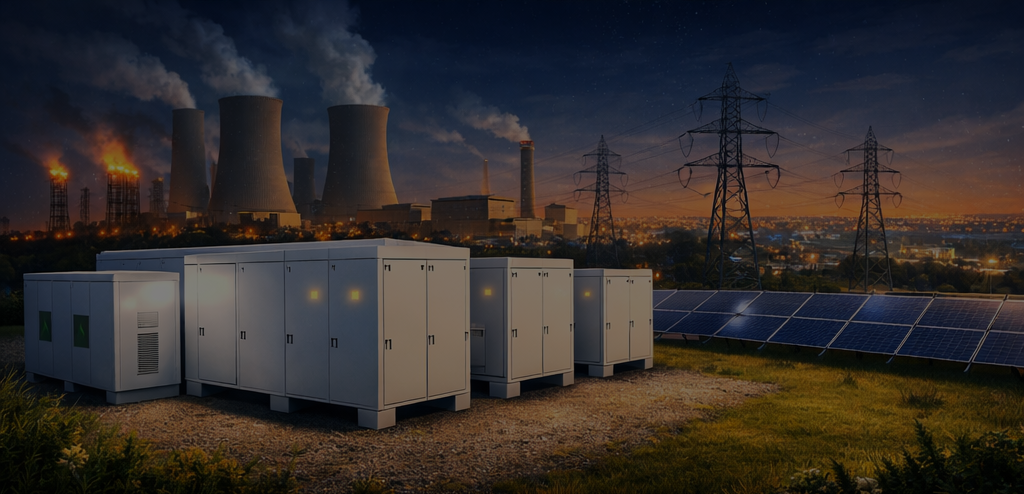
Introduction The GCC region, including Qatar, is experiencing rapid urbanization, industrial growth, and increasing energy demand. These trends place significant pressure on existing power infrastructure. Traditional electricity grids, heavily dependent on centralized power plants, face challenges in maintaining reliability and stability. Battery Energy Storage Systems (BESS) are emerging as a transformative solution to these challenges. By storing electricity during periods of low demand and releasing it during peak periods, BESS enhances grid reliability, reduces operational costs, and supports renewable integration. 1. Strengthening Grid Stability One of the most critical challenges for GCC power systems is maintaining grid stability in the face of fluctuating demand and intermittent renewable energy supply. BESS provides fast-response energy support, helping to balance supply and demand almost instantaneously. Fast Frequency Response Battery systems can react within milliseconds to stabilize frequency variations in the grid. This capability is crucial in Qatar, where sudden spikes in electricity usage—due to industrial activity or extreme weather conditions—can threaten grid stability. Voltage Regulation BESS also assists in maintaining stable voltage levels across transmission and distribution networks. By injecting or absorbing reactive power, battery storage ensures smooth operation of electrical equipment, minimizes blackouts, and prolongs the life of grid infrastructure. 2. Managing Peak Demand Efficiently Electricity consumption in Qatar and other GCC countries often peaks during daytime and evening hours, particularly in summer months when air conditioning load dominates. Traditional power plants struggle to meet this surge efficiently. Load Shifting BESS allows utilities to store excess electricity generated during off-peak hours and release it during high-demand periods. This “load shifting” reduces the need to operate additional fossil-fuel power plants, leading to operational cost savings and lower carbon emissions. Peak Shaving By discharging stored energy at peak times, BESS reduces grid stress, preventing outages and reducing the risk of rolling blackouts. This is especially valuable in Qatar, where energy demand grows exponentially during hot months and for industrial zones like Ras Laffan. 3. Enabling Renewable Integration The GCC region is increasingly investing in solar and wind energy projects. However, renewable generation is intermittent by nature. BESS solves this challenge by storing surplus renewable electricity and releasing it when the sun isn’t shining or wind isn’t blowing. Solar Energy Integration: Qatar’s solar expansion projects benefit directly from BESS. Batteries store daytime solar output for nighttime consumption, improving energy utilization. Wind Energy Support: In areas with wind generation potential, BESS provides the flexibility needed to smooth out fluctuations and maintain a steady supply. 4. Regional Adoption Trends Governments across the GCC have recognized the importance of BESS in their national energy strategies. Saudi Arabia: The kingdom is deploying large-scale storage projects as part of its Vision 2030 renewable energy goals. UAE: Dubai and Abu Dhabi are integrating battery storage in smart grid projects to improve reliability and support decarbonization targets. Qatar: BESS is becoming a strategic component of energy modernization, supporting both industrial demand and urban energy security. These regional trends show that GCC countries are not only adopting BESS but are positioning themselves as leaders in energy storage technology in the Middle East. 5. Economic and Strategic Benefits BESS provides more than technical advantages: Cost Savings: Reduces the need for additional power plants and improves operational efficiency. Energy Security: Enhances resilience against unexpected outages, natural disasters, or transmission issues. Sustainability: Supports renewable energy goals and reduces dependence on fossil fuels, aligning with national sustainability plans. Conclusion Battery Energy Storage Systems are no longer optional—they are essential for modern, reliable, and resilient energy systems in Qatar and across the GCC. By enhancing grid stability, managing peak demand, and enabling renewable integration, BESS is transforming how electricity is generated, stored, and consumed. As the region continues its energy transition, investment in advanced storage technologies will play a critical role in ensuring a secure and sustainable power future.

Latest Energy Technology News

How Battery Energy Storage Systems Are Transforming Qatar’s Clean Energy Future

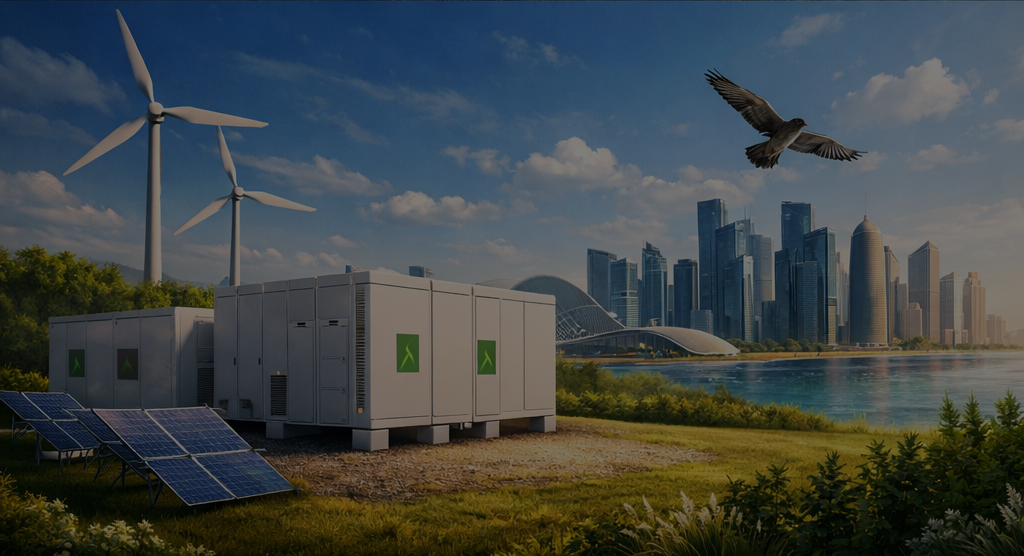
As Qatar continues its journey toward a more sustainable and resilient energy ecosystem, the demand for intelligent energy solutions is growing rapidly. Rising energy costs, climate commitments, and the need for reliable power across industries are driving businesses and communities to rethink how energy is generated, stored, and managed. At the center of this transition are advanced battery energy storage systems and integrated renewable solutions. Qatar’s Growing Demand for Smart Energy Solutions Qatar’s industrial expansion, coupled with its environmental goals, has created a strong market opportunity for clean and cost-effective energy technologies. Industries such as oil and gas, telecom infrastructure, data centres, commercial buildings, and agriculture require uninterrupted power while reducing reliance on fossil fuels. Battery energy storage systems combined with solar photovoltaic panels and wind energy are emerging as a practical solution to meet these evolving needs. The Role of Battery Energy Storage in Energy Independence Battery Energy Storage Systems (BESS) play a critical role in enabling energy independence across Qatar. By storing excess renewable energy and delivering power during peak demand or grid outages, BESS ensures reliability and stability. This is particularly valuable for off-grid and remote operations, as well as for critical infrastructure such as BTS sites, industrial facilities, and utility-scale applications. Intelligent Integration of Renewables and Smart Grids Modern energy systems go beyond generation. Smart grid technologies and AI-powered energy management systems allow businesses to monitor, optimize, and control energy flow in real time. Through intelligent integration, energy storage, solar, and wind solutions work together seamlessly—improving efficiency, reducing operational costs, and extending system lifespan. These technologies also support Qatar’s long-term vision for a resilient and digitally enabled energy infrastructure. Economic and Environmental Impact for Businesses in Qatar Investing in renewable energy and energy storage delivers tangible benefits. Businesses benefit from long-term cost savings, reduced fuel dependency, and access to financial incentives and investment models such as power purchase agreements. At the same time, these solutions contribute to measurable environmental impact by reducing carbon emissions and supporting national sustainability objectives. GreenShift’s Approach to a Sustainable Energy Future GreenShift is committed to accelerating Qatar’s transition to clean energy by delivering intelligent, customized, and integrated energy solutions. By combining advanced battery technologies, smart grid systems, and renewable power generation, GreenShift supports industries, utilities, and communities in building reliable and future-ready energy systems. Through strategic partnerships, innovative technology, and a strong focus on local market needs, GreenShift is helping shape a cleaner and more sustainable energy future for Qatar.

Scroll to Top